Starting a new construction project is an exciting milestone, but it comes with a long checklist of responsibilities that go well beyond bricks and mortar. One of the most overlooked elements in the early stages is transport planning. How will workers get to and from the site safely and reliably? How will materials be moved without disrupting surrounding roads or communities? Getting this right from the start can save your project significant time, money, and stress down the line.
The truth is, poor transport planning is one of the most common reasons construction projects run into delays. When vehicles, workers, and deliveries aren’t properly coordinated, things grind to a halt quickly. The good news is that with a clear, step-by-step approach, you can put a robust transport strategy in place before a single foundation is laid.
Start With a Site Assessment
Before anything else, you need to understand what you’re working with. A thorough site assessment looks at the physical characteristics of the location, including road access points, the condition of nearby routes, weight restrictions on local roads, and any potential pinch points for large vehicles.
At this stage, you’re asking practical questions: Can heavy goods vehicles access the site easily? Is there space for vehicles to turn around, or will they need to reverse in? Are there schools, hospitals, or high-footfall areas nearby that will need special consideration?
This assessment forms the foundation of every decision that follows, so it’s worth investing proper time and expertise here.
Map Out Your Workforce Transport Needs
Construction sites rely on large numbers of people arriving at the same time, often in shifts. Without a proper plan, you end up with car parks that overflow, workers arriving late because of traffic, and frustration all round. This is where commute fatigue can quietly start affecting productivity and morale.
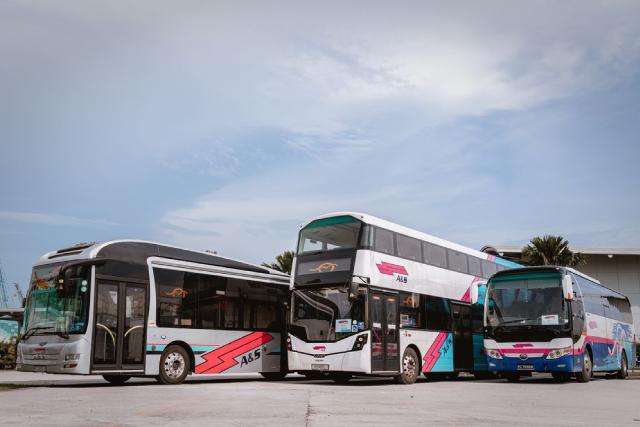
One of the most effective solutions for managing workforce transport on large construction projects is a bus charter arrangement. Hiring dedicated coaches to transport workers from central pick-up points directly to the site removes the chaos of individual vehicles, reduces the number of cars on local roads, and keeps arrival times consistent and predictable. It’s a straightforward solution that delivers real results.
A bus charter can be tailored to your shift patterns, meaning early-morning starts, split shifts, and late finishes can all be accommodated without workers having to rely on public transport routes that may not align with site hours.
Develop a Construction Traffic Management Plan
A Construction Traffic Management Plan (CTMP) is a formal document that outlines how vehicle movements will be managed throughout the project. Most local planning authorities will require one as part of your planning permission application, so this isn’t optional.
Your CTMP should cover:
- Delivery scheduling — when and how materials will arrive, including preferred time windows to avoid peak traffic
- Designated haulage routes — the specific roads vehicles should use to minimise impact on residential streets
- Banksman and marshal arrangements — trained staff managing vehicle movements on and around the site
- Emergency access — ensuring emergency services can reach the site at all times
- Dust and mud control — wheel wash facilities and road cleaning to keep surrounding roads safe
The more detailed and realistic your CTMP, the smoother your relationship with the local council and community will be.
Coordinate With Local Authorities Early
Transport planning doesn’t happen in isolation. You’ll need to engage with the local highways authority, the council’s planning department, and potentially the police if your project involves significant road closures or abnormal loads.
Starting these conversations early pays dividends. Authorities respond much better to developers who come to them with a considered plan than those who show up asking for last-minute approvals. Early engagement also gives you the chance to identify any restrictions or requirements specific to your area that could affect your approach.
If your site is near a rail line, a flight path, or other regulated infrastructure, you may have additional stakeholders to bring into the conversation.
Plan for Materials Deliveries
Material deliveries are one of the biggest sources of transport disruption on a construction site. Without a delivery management system, you’ll quickly find vehicles queuing in the road, deliveries arriving when there’s no one available to receive them, and materials being stored in the wrong place.
A just-in-time delivery approach, where materials arrive as close as possible to when they’re needed, reduces the need for large on-site storage and keeps traffic volumes manageable. Pair this with a dedicated site logistics coordinator who can schedule and track all deliveries, and you’ll avoid a significant number of headaches.
Consider Sustainable Transport Options
Planning authorities increasingly expect new construction projects to demonstrate a commitment to reducing environmental impact, and transport is a key part of that.
Where possible, look at options such as rail freight for bulk materials, electric or low-emission site vehicles, and cycle storage facilities for workers who choose to travel by bike. Even small steps in this direction can strengthen your planning application and demonstrate good faith to the local community.
A well-planned bus charter arrangement, as mentioned earlier, also contributes here by significantly cutting the number of individual car journeys associated with your workforce.
Review and Adapt Throughout the Project
Transport planning isn’t a one-off task. Construction projects evolve, and your transport arrangements need to evolve with them. What works in the groundworks phase may not suit the fit-out phase when you have a different mix of trades and delivery volumes on site.
Build in regular review points, perhaps monthly, to assess whether your current arrangements are still working. Talk to your site manager, your logistics coordinator, and your workforce. The people on the ground often spot problems before they show up in the data.
Conclusion
Good transport planning is one of the most practical investments you can make in the success of your construction project. When workers arrive reliably, deliveries run smoothly, and local roads aren’t clogged with site traffic, everything else on your project runs better too.
If you’re in the early stages of planning a construction project and need expert support with workforce transport, get in touch with A&S Transit. Our team specialises in providing reliable, flexible transport solutions for construction projects of all sizes, from dedicated coach hire to full logistics support. Contact A&S Transit today to discuss how we can help keep your project moving.